
Maintaining a radiant smile is about more than just aesthetics; it is a fundamental pillar of your systemic health. While many focus solely on the whiteness of their teeth, the foundation of a healthy mouth lies in the resilience of the gums and the integrity of the dental enamel. Preventing decay and periodontal disease requires a proactive strategy that combines meticulous home care with professional intervention.
The Dynamics of Dental Decay
Tooth decay, or caries, is a process driven by the interaction between oral bacteria and dietary sugars. When we consume carbohydrates, certain bacteria in the mouth produce acids as a byproduct. These acids attack the tooth’s enamel, leading to demineralisation. If this process is not countered by remineralisation—often aided by fluoride and saliva—cavities begin to form.
To prevent decay, it is essential to disrupt the biofilm known as plaque. Plaque is a sticky film of bacteria that constantly forms on the teeth. Brushing twice daily with a soft-bristled brush and flossing at least once a day remain the gold standards for plaque removal. By physically clearing these deposits, you reduce the acid load on your enamel, ensuring your teeth remain strong and intact for a lifetime.
Understanding Periodontal Disease
Periodontal disease is a chronic inflammatory condition that affects the tissues surrounding and supporting the teeth. It typically begins as gingivitis, characterised by red, swollen, or bleeding gums. At this stage, the condition is usually reversible with improved hygiene. However, if left untreated, it can progress to periodontitis, where the inner layer of the gum and bone pull away from the teeth to form pockets.
These pockets collect debris and can become infected. As the body’s immune system fights the bacteria, the toxins produced by the bacteria and the body’s “good” enzymes start to break down the bone and connective tissue that hold teeth in place. Understanding the signs—such as persistent bad breath, receding gums, or loose teeth—is vital for early intervention.
Professional Intervention and Maintenance
Regular dental check-ups are not merely “drilling and filling” sessions; they are diagnostic opportunities. Dentists use these visits to measure gum pockets and check for early signs of bone loss. When home care is no longer sufficient to manage the depth of these pockets, patients may need to explore advanced gum therapy options including periodontal treatment.
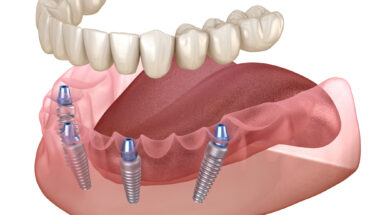
These professional treatments often involve “scaling and root planing,” a deep-cleaning process that removes tartar from above and below the gum line and smooths rough spots on the tooth root. This helps the gum tissue reattach to the teeth and reduces the surface area where bacteria can thrive. For many, this intervention is the difference between saving their natural teeth and requiring extractions or implants.
The Role of Nutrition in Oral Longevity
What you eat directly impacts the pH balance of your mouth. A diet high in leafy greens, crunchy vegetables, and calcium-rich dairy provides the minerals necessary for remineralising enamel. Conversely, frequent snacking on acidic or sugary foods keeps the mouth in a constant state of acid attack, giving the enamel no time to recover.
Staying hydrated is equally important. Saliva is your mouth’s natural defence mechanism; it neutralises acids and contains calcium and phosphate ions that repair teeth. If you suffer from dry mouth (xerostomia), your risk of both decay and gum disease skyrockets. Drinking plenty of fluoridated tap water is one of the simplest and most effective ways to protect your oral environment.
The Connection Between Stress and Oral Health
Modern research has highlighted a significant link between mental wellbeing and physical health, particularly in the mouth. High stress levels can lead to habits like teeth grinding (bruxism) or a weakened immune response, making it harder for your body to fight off gum infections. When stress is combined with poor lifestyle choices, it can exacerbate problems like decaying teeth.
Managing stress through exercise, sleep, and mindfulness isn’t just good for your mind; it’s a preventative measure for your smile. When the body is under less physiological strain, it can more effectively manage the inflammatory response in the gum tissues. By taking a holistic approach—focusing on hygiene, nutrition, and stress management—you can ensure your teeth and gums remain healthy, functional, and beautiful for years to come.