
The Australian dental clinic of the future will not simply be a place where teeth are examined, cleaned, restored or replaced. It will become a more connected environment where technology, clinical expertise and human understanding work together to make oral healthcare more personalised. As expectations around healthcare continue to evolve, patients increasingly want more than technically competent treatment. They want to understand their options, feel respected throughout their care and have confidence that their dental team genuinely understands their individual needs.
At the centre of this transformation are dentists, who are increasingly supported by digital tools capable of changing how oral health is diagnosed, planned and managed.
Technology That Makes Dentistry More Precise
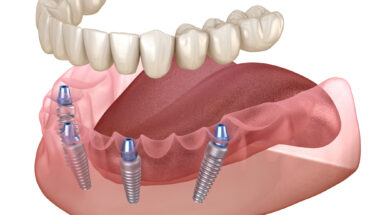
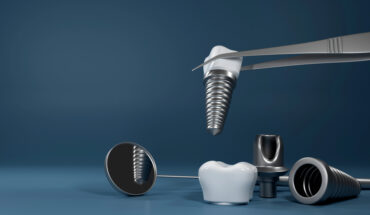
Digital dentistry has already reshaped many aspects of clinical practice. Intraoral scanners can create highly detailed digital impressions without relying exclusively on traditional impression materials. Three-dimensional imaging can provide clinicians with a more comprehensive view of oral structures, while computer-aided design and manufacturing can assist with the creation of restorations such as crowns, bridges and other dental appliances.
Artificial intelligence is another emerging influence. AI-assisted systems can help identify patterns in dental images and support clinicians when assessing potential abnormalities. Importantly, these technologies are not a replacement for professional judgement. Rather, they can provide additional information that helps dental professionals make informed clinical decisions.
For Australian patients, the real value of technology is therefore not technology itself. Its value lies in whether it makes treatment more accurate, understandable, efficient and comfortable.
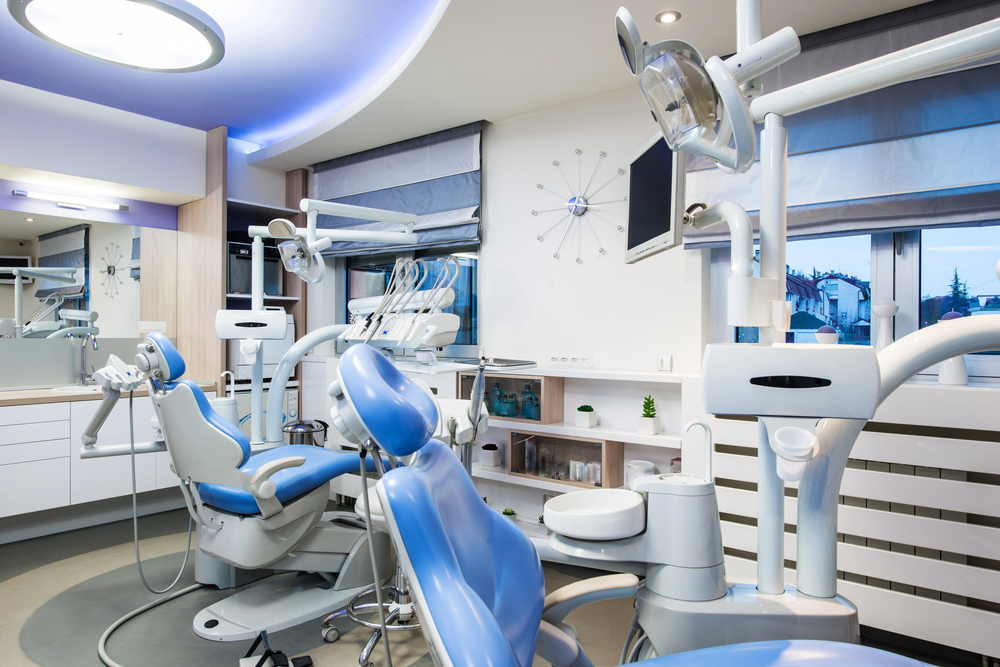
The future of dental clinics is moving towards a more connected, personalised, and technology-driven approach, where patient comfort and preventive care become just as important as treatment itself. Advanced digital imaging, artificial intelligence, 3D printing, teledentistry, and computer-guided procedures are helping dentists deliver faster and more precise care while giving patients a clearer understanding of their oral health. At the same time, the modern dental clinic is becoming less clinical and more patient-centred, with streamlined appointments, personalised treatment plans, and greater attention to reducing anxiety. As technology continues to evolve, dentists will increasingly combine digital innovation with human judgement and compassionate communication, creating dental experiences that feel more efficient, transparent, and tailored to every patient’s individual needs.
From Treatment Provider to Healthcare Partner
The traditional image of dentistry often revolves around individual appointments: a patient arrives, receives treatment and leaves. The future is likely to place greater emphasis on continuity.
Preventive dentistry provides a natural foundation for this approach. Instead of waiting until toothache, sensitivity or visible damage becomes impossible to ignore, patients can be encouraged to think about oral health as an ongoing process. Digital records, appointment reminders, treatment monitoring and personalised education can help create a stronger connection between appointments.
This matters because many oral health problems develop gradually. Tooth decay and gum disease, for example, may progress before a person experiences obvious symptoms. Regular professional examinations allow potential concerns to be identified earlier, while personalised advice can help patients understand the daily habits that influence their oral health.
The future dental clinic may consequently feel less like a place patients visit only when something goes wrong and more like a long-term health partner.
Trust Becomes a Clinical Asset
Technology can provide remarkable information, but information alone does not create trust.
A patient considering dental implants, orthodontics, cosmetic dentistry or extensive restorative treatment may have questions about cost, longevity, discomfort, recovery and expected outcomes. Sophisticated equipment cannot answer those questions with empathy. That requires communication between people.
Trust develops when clinicians explain procedures clearly, acknowledge uncertainty where it exists and give patients meaningful opportunities to ask questions. It also grows when treatment recommendations are presented transparently rather than overwhelming patients with technical terminology.
This human dimension is particularly important in dentistry because oral healthcare can be emotionally personal. A person’s smile can influence how they communicate, socialise and perceive themselves. Previous dental experiences may also shape how comfortable they feel in the chair.
A future-focused clinic therefore needs to treat communication as part of the clinical experience rather than an optional extra.
Personalisation Beyond the Treatment Plan
Personalised dentistry does not necessarily mean designing an entirely different procedure for every patient. It means understanding the circumstances surrounding that patient’s oral health.
Age, lifestyle, existing dental conditions, previous treatment, dietary habits and individual priorities can all influence an appropriate care strategy. A young professional may have different concerns from an older Australian managing multiple restorative needs. A parent may prioritise preventive care for children, while another patient may be seeking a solution for missing teeth.
Technology can help clinicians organise and interpret this information, but personalisation ultimately depends on listening.
The strongest future clinics may therefore combine sophisticated digital systems with something much older and more fundamental: a meaningful conversation.
The Australian Dental Clinic as a Connected Experience
The evolution of dental care will also extend beyond the treatment room. Online appointment systems, digital communication, electronic health records and automated reminders can make interactions with a clinic more convenient. Patients may increasingly expect to access information, confirm appointments and communicate with their dental team through streamlined digital platforms.
However, convenience should not come at the expense of privacy or human contact. Australian dental practices must continue to handle patient information responsibly and operate within applicable professional and privacy requirements.
The goal is not to turn dentistry into an impersonal digital service. It is to remove unnecessary friction so that clinicians and patients can spend more attention on what technology cannot replace: understanding, decision-making and care.
A More Human Future for Oral Health
Perhaps the most interesting aspect of dental technology is that its greatest contribution may ultimately be human.
When repetitive processes become more efficient, clinicians can potentially devote more time to patient education and communication. When digital visualisation makes a condition easier to understand, patients can participate more meaningfully in treatment discussions. When preventive monitoring becomes more convenient, dental care can become less reactive and more proactive.
The future of the Australian dental clinic is therefore unlikely to be defined by machines alone. It will be defined by how intelligently technology is combined with clinical knowledge and genuine human connection.
A successful modern dental practice will not simply ask, What treatment does this patient need? It will also ask, What does this person need to feel informed, comfortable and confident about their oral health?
That shift—from treating teeth to understanding people—could become one of the defining developments in Australian dentistry. When digital innovation is paired with trust, empathy and personalised communication, dental clinics can create experiences that improve patient satisfaction and encourage regular dental visits. In that future, technology does not make dentistry less personal; used thoughtfully, it gives the human side of healthcare more room to flourish.