
Few dental recommendations spark as much apprehension as the suggestion of a root canal. Often unfairly associated with pain, this procedure is actually a sophisticated, tooth-saving treatment designed to eliminate infection and alleviate discomfort. However, with advancements in dental science, many patients wonder if the procedure is always necessary or if there are alternative paths to oral health. Understanding the signs, the modern procedural journey, and the latest technological shifts can help demystify the experience.
Recognizing the Warning Signs
A root canal becomes necessary when the soft tissue inside the tooth, known as the pulp, becomes inflamed or infected. This can be caused by deep decay, repeated dental procedures on the tooth, or a crack or chip. While some cases are asymptomatic, most patients experience distinct red flags.
Persistent pain is the most common indicator. This isn’t just a fleeting twinge; it is often a deep, throbbing ache that interferes with sleep or daily activities. You might also notice extreme sensitivity to hot and cold temperatures that lingers long after the stimulus is removed. Other signs include:
- Swollen Gums: Tenderness or a visible bump (abscess) near the painful tooth.
- Tooth Discolouration: A greyish-black hue indicating the internal tissue is dying.
- Pain Upon Pressure: Sharp discomfort when biting down or touching the tooth.
The Modern Root Canal Process
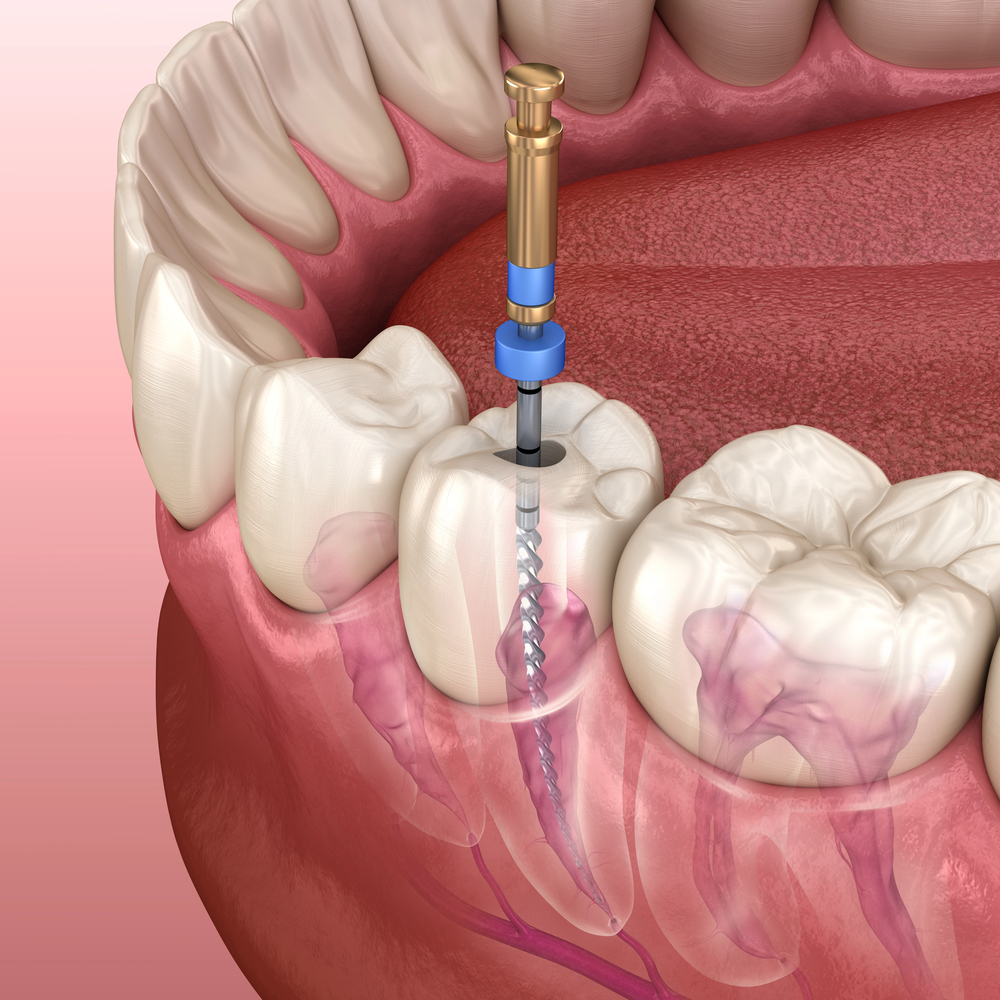
Gone are the days of the “dreaded” root canal. Today, the process is remarkably similar to getting a deep filling. The primary goal is to remove the diseased pulp, disinfect the internal canals, and seal the space to prevent re-infection.
The procedure typically begins with local anaesthesia to ensure the area is completely numb. The dentist then creates a small access opening in the crown of the tooth. Using specialised instruments, they clear out the damaged tissue and use antimicrobial solutions to flush out bacteria. Once cleaned, the canals are filled with a biocompatible material called gutta-percha. Finally, a temporary or permanent filling is placed. In most instances, a follow-up appointment is required to fit a crown, which restores the tooth’s full strength and function.
Evolution in Endodontics
The landscape of dental surgery is shifting toward preservation and comfort. We are seeing minimally invasive root canal therapy techniques gaining popularity because they focus on preserving as much of the natural tooth structure as possible. By using high-powered surgical microscopes and advanced rotary instruments, dentists can navigate complex canal systems with extreme precision.
These modern insights mean smaller access points, reduced post-operative discomfort, and significantly higher success rates. Laser-assisted irrigation is another breakthrough, using light energy to sterilise the microscopic areas of the tooth that traditional tools might miss. This ensures a more thorough “deep clean” of the root system, reducing the likelihood of a secondary infection down the track.
Why Saving the Natural Tooth Matters
It is often tempting to consider an extraction as a “quick fix” for a painful tooth. However, keeping your natural tooth is almost always the superior choice. A natural tooth maintains the alignment of your bite and prevents the surrounding teeth from shifting, which can lead to jaw issues and further decay. Furthermore, while dental implants and bridges are excellent replacements, they require more extensive procedures and higher long-term costs compared to a well-performed root canal. By choosing endodontic treatment, you maintain your natural chewing efficiency and the authentic appearance of your smile.
Post-Treatment Care and Longevity
After the procedure, it is normal to feel some sensitivity for a few days as the surrounding tissues heal. This is usually managed easily with over-the-counter anti-inflammatories. The longevity of a root canal-treated tooth depends largely on your oral hygiene. Because the tooth no longer has a living nerve, it won’t “feel” new cavities forming, making regular check-ups and x-rays vital. Brushing twice daily and flossing are non-negotiable habits to protect the restoration and the supporting bone structure.
The Broader Context of Dental Wellness
While we often focus on immediate clinical causes like sugar intake or physical trauma, the dental community is beginning to look at wider environmental factors influencing our wellbeing. This includes the growing discussion regarding the relationship between climate change and oral health, which examines how shifting environmental conditions and resource accessibility can impact disease patterns and the resilience of our dental health infrastructure. Understanding these connections helps patients appreciate that oral care is not just about a single tooth, but about maintaining a healthy body within a changing global environment. By staying informed and acting early on symptoms, you can ensure your smile remains functional and pain-free for decades to come.