
The field of dentistry has undergone a remarkable transformation over the past decade. Traditional methods, which relied heavily on manual impressions and lengthy trial-and-error processes, are gradually being replaced by sophisticated digital technologies. Today, patients not only receive more accurate treatments, but they also enjoy a more personalized and aesthetically pleasing experience. At the heart of this revolution is digital dentistry—a combination of advanced software, imaging, and fabrication techniques that allows dental professionals to design smiles with precision and predictability.
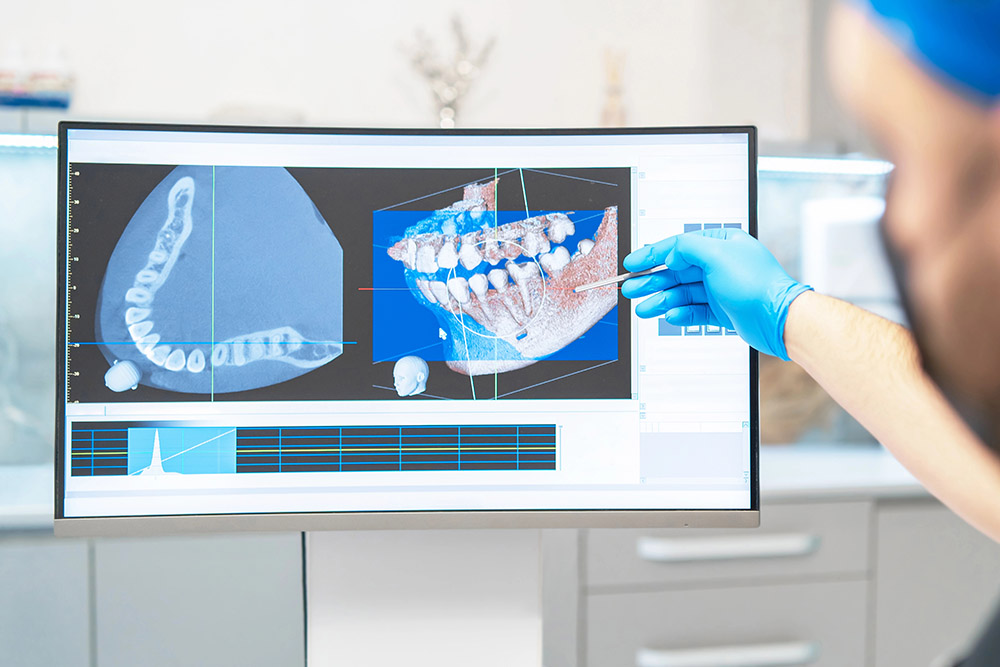
One of the most compelling advancements in this field is digital smile design (DSD). Using high-resolution 3D imaging, dentists can capture the exact contours and alignment of a patient’s teeth and gums. This data is then used to create a virtual model of the patient’s mouth, enabling dentists to simulate different treatment options before any physical procedure begins. The ability to visualize potential outcomes ensures that patients are fully informed and confident in their treatment plan.
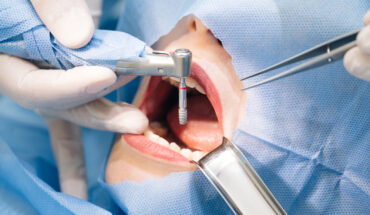
Digital dentistry doesn’t just enhance aesthetics; it also improves functionality. With traditional methods, slight inaccuracies in impressions or crown placements could lead to discomfort or even long-term oral health issues. Digital tools, however, allow for unparalleled precision, reducing the risk of misalignment and ensuring that restorations fit perfectly. This precision extends to implants, veneers, orthodontic appliances, and even routine procedures like fillings or crowns.
Patients increasingly seek treatments that go beyond basic dental care—they want complete smile transformations that are natural, harmonious, and long-lasting. This demand has driven dental clinics to adopt comprehensive approaches, combining digital imaging, CAD/CAM technology, and advanced materials. By integrating these tools, dentists can deliver results that are not only visually stunning but also functionally superior. Many practices now offer a complete smile transformation through digital smile design, allowing patients to see the potential outcome of their treatment before a single procedure begins. This approach reduces anxiety and ensures higher satisfaction rates, as patients are active participants in shaping their smile.
Another major breakthrough in digital dentistry is the automation of certain procedures. From guided implant surgery to robotic-assisted orthodontics, technology is streamlining tasks that once required extensive manual skill. Robotic systems, for instance, can assist orthodontists in precisely positioning brackets and wires, reducing treatment times and improving the predictability of outcomes. These systems work in tandem with digital imaging and treatment planning software to ensure that every adjustment is tailored to the patient’s unique anatomy.
The use of digital workflows also enhances collaboration among dental specialists. In complex cases, multiple professionals—prosthodontists, orthodontists, periodontists—can access the same digital models and treatment plans, making communication seamless. This interdisciplinary approach ensures that every aspect of a patient’s oral health and aesthetic goals is addressed, resulting in more comprehensive and cohesive treatment outcomes.
Moreover, digital dentistry supports minimally invasive procedures. With accurate 3D models and simulations, dentists can target only the areas that require intervention, preserving more of the natural tooth structure. Patients benefit from shorter recovery times, reduced discomfort, and long-term durability of restorations. Digital tools also enable precise shade matching for crowns and veneers, ensuring that restorations blend seamlessly with the natural teeth for a flawless, natural appearance.
Patient education has become another area where digital technology shines. Interactive visualizations allow dentists to show patients exactly how their treatment will progress, highlighting potential improvements in alignment, tooth shape, and overall aesthetics. This transparency fosters trust and empowers patients to make informed decisions about their dental care.
Looking ahead, the integration of artificial intelligence and robotics promises to further revolutionize dental procedures. AI can analyze vast amounts of dental data, predicting potential complications and optimizing treatment plans. Robotics can assist in surgeries with unmatched precision, reducing human error and enhancing the overall efficiency of care. These innovations are shaping the future of precision and efficiency in dentistry, making treatments faster, safer, and more predictable than ever before.
Digital dentistry is no longer a futuristic concept—it is the standard of care for achieving natural, beautiful smiles. By leveraging cutting-edge imaging, design software, and automated systems, dental professionals can provide patients with personalized, accurate, and aesthetically superior treatments. From digital smile design to robotic-assisted procedures, technology is at the core of a new era in dentistry, one that prioritizes precision, comfort, and transformative results. Patients today can expect smiles that are not only beautiful but also aligned perfectly with their oral health and lifestyle goals, redefining what it means to achieve a confident, radiant smile.