
Australia’s dental landscape is experiencing a remarkable transformation. Across bustling metropolitan centres and growing regional communities, dental clinics are embracing precision-driven technologies that are redefining what it means to restore a smile. Modern dental implants have evolved beyond replacing missing teeth—they now represent a sophisticated blend of digital engineering, biological science, and personalised patient care that delivers functional, aesthetic, and long-lasting outcomes.
The journey toward a restored smile no longer begins with guesswork. Instead, it starts with comprehensive diagnostics, advanced imaging, and carefully tailored treatment planning. Australian dental professionals increasingly rely on three-dimensional scans, digital impressions, and computer-guided surgical techniques that allow implant placement with exceptional precision. This technological evolution not only enhances treatment accuracy but also improves patient comfort, reduces recovery times, and creates predictable long-term results.
One of the most significant shifts occurring within Australian dentistry is the movement from reactive treatment to proactive smile rehabilitation. Years ago, replacing a missing tooth often focused solely on restoring appearance. Today, clinicians understand that every tooth contributes to an intricate system involving jawbone integrity, facial structure, bite alignment, speech, and overall oral function. Losing even a single tooth can gradually alter these interconnected systems, making comprehensive restoration increasingly important.
Precision dentistry recognises this complexity. Every implant procedure is planned with consideration for bone quality, gum health, bite forces, facial symmetry, and future oral health. This holistic philosophy enables dental clinics to create restorations that integrate naturally with the patient’s existing anatomy rather than simply filling an empty space.
Digital technology has become the foundation of this precision-based approach. Cone beam CT scans provide three-dimensional visualisation of the jawbone, allowing clinicians to identify ideal implant positions while avoiding critical anatomical structures such as nerves and sinuses. Digital planning software enables virtual surgery before the actual procedure takes place, reducing uncertainty and allowing every stage of treatment to be meticulously prepared.
The benefits extend well beyond clinical accuracy. Patients experience greater confidence because they can visualise treatment outcomes before surgery begins. Digital workflows also minimise traditional impressions, streamline communication between dentists and dental laboratories, and accelerate the fabrication of highly customised crowns that complement the patient’s natural smile.
Australian dental clinics are also placing greater emphasis on interdisciplinary collaboration. Implant dentistry frequently combines the expertise of prosthodontists, periodontists, oral surgeons, hygienists, and dental technicians who work together throughout every phase of treatment. This collaborative model ensures that each aspect of care—from diagnosis to final restoration—is optimised for both function and appearance.
Equally important is patient education. Successful dental implants depend not only on surgical excellence but also on informed decision-making. Dental professionals invest considerable time explaining treatment options, expected healing timelines, potential risks, and realistic outcomes. This transparent communication builds trust while empowering patients to actively participate in maintaining their oral health.
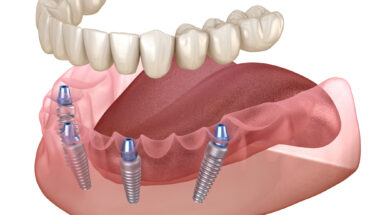
The ageing Australian population has further accelerated innovation in implant dentistry. More adults are retaining their natural teeth longer, yet many still experience tooth loss due to trauma, periodontal disease, or complex restorative needs. Rather than accepting removable dentures as the only solution, increasing numbers of Australians are choosing implant-supported restorations that provide stability, chewing efficiency, and improved confidence during daily activities.
Lifestyle considerations also influence treatment planning. Today’s patients seek solutions that fit seamlessly into busy professional and personal lives. Precision-guided implant procedures often involve minimally invasive surgical techniques that reduce postoperative discomfort and allow individuals to return to their routines sooner than many expect. While healing remains a biological process requiring patience, technological advances continue to make the overall experience more comfortable and predictable.
A successful implant restoration extends beyond replacing teeth—it restores confidence. Smiling freely during conversations, enjoying favourite foods without hesitation, and speaking clearly can significantly enhance overall wellbeing. Numerous patients describe implant treatment as life-changing because it improves both physical function and emotional self-esteem. These psychological benefits often become just as meaningful as the clinical outcomes themselves.
However, long-term success does not conclude when the final crown is placed. Like natural teeth, implants require ongoing professional care and consistent home hygiene. The longevity of implant restorations depends upon maintaining healthy surrounding tissues while preventing inflammation that may compromise supporting bone. This is where maintenance tips for a lifetime smile become essential components of every successful treatment plan.
Daily brushing with a soft-bristled toothbrush, cleaning carefully around implant restorations, flossing or using specialised interdental brushes, and attending regular professional examinations all contribute to preserving implant health. Routine dental visits allow clinicians to monitor gum condition, assess bite forces, identify early signs of inflammation, and perform professional cleaning that reaches areas difficult to access at home.
Lifestyle choices further influence implant longevity. Avoiding tobacco products, managing systemic conditions such as diabetes, maintaining a balanced diet rich in essential nutrients, and wearing protective mouthguards during contact sports all support healthy implant function over many years. These practical maintenance tips for a lifetime smile reinforce the idea that successful implant dentistry represents an ongoing partnership between patient and dental team.
Australian dentistry continues to move toward even greater precision. Artificial intelligence is beginning to assist treatment planning, digital workflows continue to improve restorative accuracy, and biomaterials are becoming increasingly compatible with human tissues. Future innovations may further shorten treatment timelines while expanding opportunities for patients with complex oral health conditions.
Ultimately, the transformation occurring across Australia’s dental clinics reflects more than technological progress. It represents a deeper commitment to personalised healthcare, preventive philosophy, and evidence-based treatment that prioritises long-term wellbeing. Modern dental implants demonstrate how science, artistry, and compassionate care can work together to restore not only missing teeth but also confidence, comfort, and quality of life. When combined with professional guidance and consistent maintenance tips for a lifetime smile, these precision restorations become lasting investments in both oral health and overall wellbeing.