
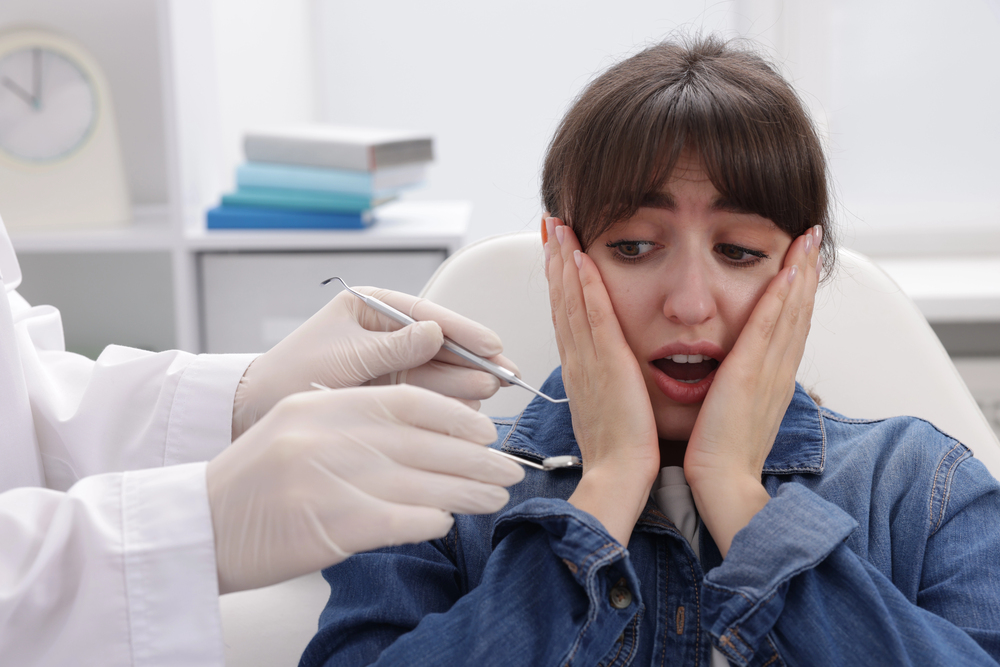
Dental anxiety has long been one of healthcare’s most stubborn paradoxes: millions fear the very professionals tasked with relieving their pain. For decades, this cycle of apprehension—avoidance, deterioration, emergency intervention—has played out across dental clinics worldwide. But a quiet revolution is underway, one that reframes calm not as a luxury, but as part of clinical strategy. Today, sleep dentistry is emerging as more than a modern comfort; it is becoming a safe and effective way to help patients manage fear and discomfort during procedures, rewriting what it means to feel secure in the dental chair.
The Psychology Behind the Fear
To understand why sleep dentistry is transformative, we must first understand the emotional architecture it aims to dismantle. Dental anxiety is not simply nervousness. It is a multisensory, deeply imprinted memory that blends sounds, smells, loss of control, and anticipation of pain. Research shows that people who experience dental fear often share three traits: heightened sensitivity to pain cues, traumatic past experiences, and a strong physiological fight-or-flight response.
For these individuals, reassurance is rarely enough. Even the gentlest clinician cannot override the brain’s vigilant alarm system. This is where traditional behavioural strategies reach their limits—breathing techniques and positive language help, but they don’t quiet a nervous system conditioned to expect threat.
Sleep dentistry, however, intervenes at this exact point. Not by replacing trust, but by giving the body permission to release its grip on fear.
When Calm is Delivered Clinically
Contrary to the name, sleep dentistry does not always involve unconsciousness. It encompasses a spectrum—from minimal sedation, where patients remain awake but deeply relaxed, to general anaesthesia for complex or severe cases. What matters is the therapeutic intention: using pharmacological calm to restore agency.
This reframing is powerful. For the first time, control is no longer dependent on willpower alone. The patient becomes a participant in their care, not a hostage to their anxiety. Sedation dentistry invites them to choose the emotional temperature of their experience.
This is why the field has rapidly evolved into a cornerstone of patient-centred care. With modern protocols, it is now recognized as a safe and effective way to help patients manage fear and discomfort during procedures, particularly for those who have delayed treatment for years.
The Clinical Precision Behind the Peace
While sedation may feel like a soothing pause for the patient, behind the scenes it is an orchestrated clinical performance. Dentists trained in sleep dentistry undergo rigorous certification in pharmacology, monitoring equipment, emergency readiness, and physiological assessment. Every heartbeat, breath, and oxygen level is tracked continuously, transforming the dental operatory into a hybrid between a clinic and a micro-surgical theatre.
Yet the brilliance of sleep dentistry is that its complexity remains invisible to the patient. What they experience is simply a smoothness—a dissolving of time, a sense that the procedure happened without their body ever entering distress.
This seamlessness is not accidental. It is the outcome of the profession’s commitment to pairing advanced technology with emotional transformation. The goal is not merely to sedate, but to create an environment where patients feel protected, respected, and understood.
Healing the Relationship with Dentistry
Perhaps the most under-appreciated impact of sleep dentistry is its ability to rewrite emotional history. Many patients describe their first sedation appointment not as a passive event, but as the moment they reclaimed their relationship with oral care.
When a long-avoided treatment is finally completed—without panic, without suffering—something profound happens. Fear loses its authority. Patients often return for future visits with growing confidence, sometimes even choosing to undergo procedures without sedation after their trust has been rebuilt.
This psychological shift is the true measure of success. Sleep dentistry is not meant to be a permanent crutch; it is a therapeutic bridge that guides patients from avoidance to empowerment.
A Technology-Driven Future of Comfort
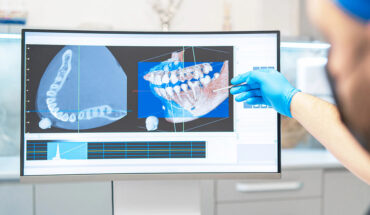
The rise of sleep dentistry coincides with a broader evolution in dental innovation. Digital scanners replace invasive impressions, laser dentistry reduces the need for drills, and AI-enhanced diagnostics remove uncertainty. Sedation is becoming part of a holistic movement—one that positions comfort not as an optional extra, but as essential to clinical outcomes.
In this new ecosystem, calm is engineered as carefully as crowns or fillings. The aim is no longer merely to treat disease, but to design an experience that supports both emotional and physical wellbeing.
A New Standard for Human-Centric Dentistry
We are standing at the intersection of science and empathy. Sleep dentistry demonstrates that dentistry’s future is not only shaped by advanced tools, but by a deeper understanding of the human beings behind the teeth.
By offering a safe and effective way to help patients manage fear and discomfort during procedures, sedation is dissolving the stigma around dental visits, restoring access to care, and creating a generation of patients who no longer equate dentistry with distress.
Calm is no longer accidental—it is clinical. And in that shift, dentistry is discovering its most transformative innovation yet: the ability to heal fear as skillfully as it heals teeth.